Articles
Experience Matters: Maximizing The Outcome Of Your Case
Date:
December 20, 2025
Experienced trial lawyers know that winning starts from the very beginning, and that mistakes at any stage can lead to a lesser, even unfavorable outcome.
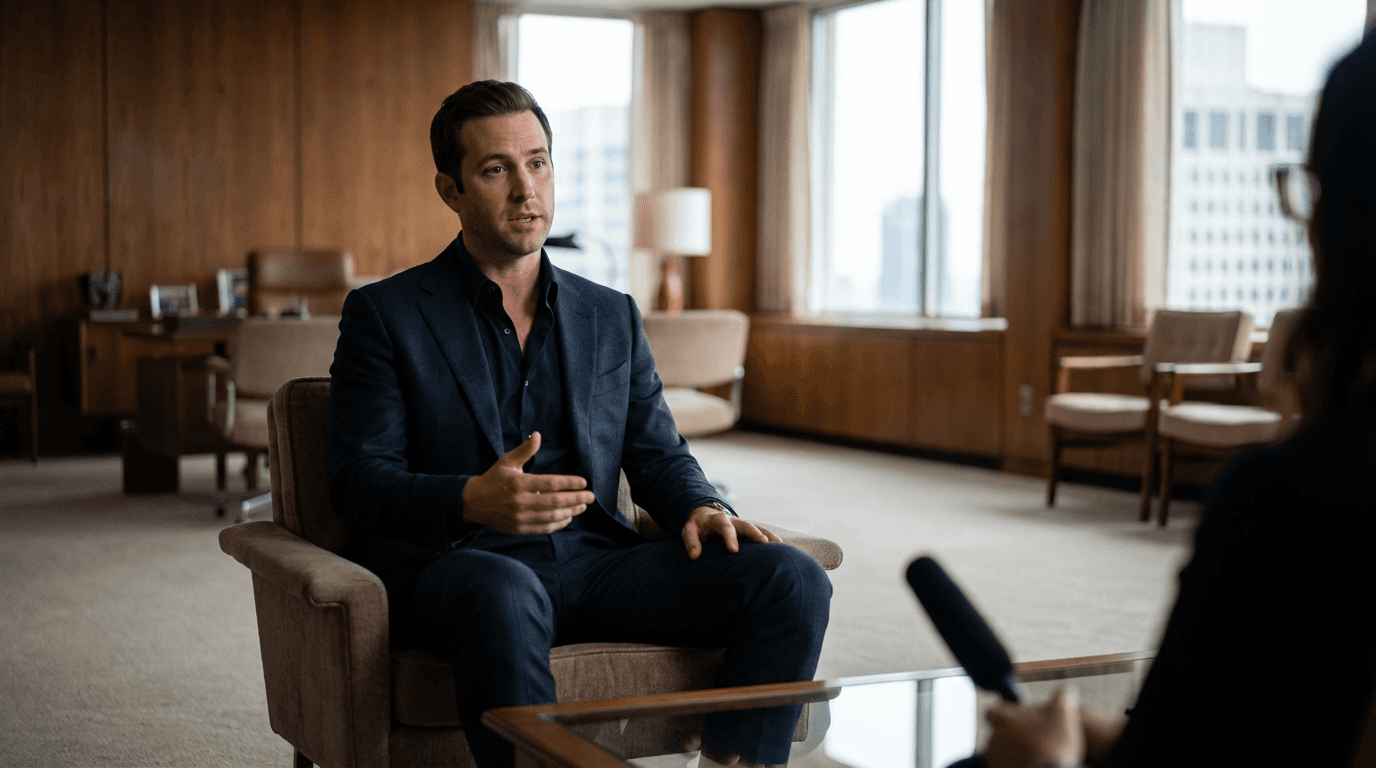
When choosing a creative agency to present your case, the real question is who possesses the experience to shape the strongest possible outcome. This work calls for a different calibre of expertise, rooted in understanding what is required at every stage of the process and in the ability to guide that process with precision and confidence.
The best documentary filmmakers succeed for a simple reason. They know what must be accomplished before the cameras roll, what must be captured while they are rolling, and what must be refined after they stop. Filming itself is often the most controlled part of the journey. The complexity lies in leadership, preparation, and the discipline to make the right choices at the right moments.
A compelling visual narrative is built across five stages, each inseparable from the others. When any stage is rushed or overlooked, the final result reflects it. Experienced filmmakers understand this instinctively. They recognize that every step is shaped by the one preceding it, and that meticulous attention from the beginning is what allows the story to land with clarity, coherence, and impact.
Stage One: Development
Every successful film begins long before a script is written or a camera is lifted. Development is where the story finds its purpose, where the noise surrounding a case is distilled into something coherent and meaningful. It is a deliberate process that begins with understanding rather than creation.
The task here is not to collect every detail, but to recognize which details give the story its shape. What must be understood. What must be felt. Where attention should settle. These decisions may appear subtle, yet they determine the trajectory of everything that follows.
Those with experience approach development patiently, knowing its influence is quiet but absolute. A single shift in emphasis can alter the emotional throughline, the clarity of the argument, and the way the narrative ultimately settles in the mind of the decision maker. When development is handled with care, that clarity carries forward. When it is not, later stages work harder than they should and still fall short.
Development is where intention becomes direction. Once that direction is set, the film begins to take on a logic the audience can follow instinctively.
Stage Two: Scripting
Once the story’s direction is established, scripting becomes the point where intention is shaped into language. This stage is less about embellishment and more about clarity. It determines how the viewer moves through the narrative without feeling forced or distracted. Precision matters. Sequence matters. Every choice influences how the case is ultimately received.
A successful script is always built with the decision maker in mind. It respects how people absorb information when the stakes are high and time is limited. Each moment is crafted to support understanding rather than compete with it. What is included earns its place. What is excluded does so for the sake of focus.
Experienced filmmakers understand that scripting is where the architecture of understanding is created. Ideas land in the right order. Emotional moments reinforce rather than overshadow. The narrative moves with calm intention, giving the viewer exactly what they need when they need it.
A carefully constructed script ensures decision makers are never lost, never confused, and never uncertain about what they are meant to understand. It allows the film to serve the case rather than compete with it.
When handled correctly, scripting becomes the quiet foundation on which the film exerts its influence with clarity, coherence, and purpose.
Stage Three: Pre-production
Pre-production is where intention becomes design. The work done in development and scripting now translates into the practical choices that will guide everything that follows. This stage often happens out of view, yet it is where the film’s clarity and impact are largely secured.
Pre-production is not simply logistics. It is the point where the story’s structure is supported in the real world. Locations are chosen for truthfulness rather than appearance. Visual choices are considered for how they reinforce understanding. Every decision is measured against the purpose established earlier.
A crucial part of this stage is shaping the question sets that guide interviews. These are crafted with deliberate attention to narrative flow. Each question moves the subject through a natural progression of thought, allowing the story to emerge with ease and authenticity. This structure also allows emotional material and factual clarity to be gathered separately, each prepared for its role in the final narrative.
Emotional impact is not discovered randomly during filming. It is prepared long before the cameras roll, through an understanding of when the viewer will be ready to feel it and how that feeling will support comprehension rather than overshadow it.
When handled correctly, pre-production ensures production itself becomes focused and intentional. The team arrives already knowing what must be captured and why. The story remains aligned with the outcome it is meant to support.
Stage Four: Production
Production is often imagined as the most demanding stage, yet when the earlier work has been done with care, it becomes the most controlled. By the time the cameras roll, the story has already been shaped, the structure established, and the intention behind each moment made clear.
What remains is execution.
We work only with experts in their respective fields because production is not the time to hope for competence. Every member of the team understands the demands of this environment and brings the skill required to meet them. Lighting, sound, camera, direction, and interview work each demand specialization, and the film benefits from the quiet certainty that expertise provides.
Interviews follow the foundation established in pre-production. The question sets guide subjects through a purposeful arc, allowing both clarity and emotional resonance to be captured. Nothing is rushed. Nothing is captured simply because it is available. Each moment exists because it serves the story being built.
At this stage, the film is no longer conceptual. The essential material is secured with intention, discipline, and technical excellence. The story is not being searched for. It is being shaped.
When handled correctly, production is calm and deliberate. The right moments are captured. The unnecessary ones fall away. The film begins to take on the shape that will guide understanding.
Stage Five: Post Production
Post production is where the structure established earlier becomes an experience. The narrative is refined into something that moves with clarity and purpose.
Editing is not assembly. It is interpretation. It determines how each moment breathes, what the viewer notices, and how emotional and factual threads weave together without competing. The choices here are subtle, yet decisive.
Because the story has been built with intention from the beginning, post production becomes refinement rather than correction. Emotional material is placed with care, supporting comprehension at precisely the right moment. The clarity established earlier is preserved, allowing the narrative to unfold naturally.
Editors, like every part of the team, are specialists. They understand pacing, restraint, and the importance of guiding the viewer without revealing the guidance itself. Their work ensures nothing distracts from the core understanding the film is meant to deliver.
When handled correctly, post production shapes an experience that settles into place with ease. The narrative becomes clear. The emotional truth feels earned. The understanding the film is designed to create becomes the understanding the viewer arrives at naturally.
Conclusion
Your visual narrative should feel complete, coherent, and undeniable.
A film of this nature is not merely an explanation of events. It is a way of guiding someone through a moment they have never lived, allowing them to see the truth of it with clarity, empathy, and conviction. The viewer arrives with limited context and no familiarity with the people or consequences involved. The film becomes their entry point and the anchor for everything they will consider afterwards.
When the story is built with intention, the viewer moves through it with ease. They absorb the essential truth. They feel its weight. They reach an understanding that feels natural rather than directed. That understanding becomes the foundation on which the outcome rests.
A narrative capable of doing this does not emerge by chance. It requires discipline, intuition, and the ability to translate insight into a form that resonates immediately with someone encountering the case for the first time.
This is the work we do. It is not improvised. It is not divided. It is a process shaped with care at every stage to ensure the story is seen as it should be seen.
The outcome depends on the clarity of that story. We make that clarity possible.